"We don't have speculation happening on agricultural land, which is one of the things that drives prices up."
That line came from Hawai'i County's Kimball, explaining to Aloha State Daily this January why the county voted to close out its long-standing "non-dedicated" farmland tax program by this September. The vote followed 2024 changes to the county's agricultural tax dedication rules, changes Kimball says were prompted by an audit that found insufficient controls over who was actually farming the land receiving the tax break.
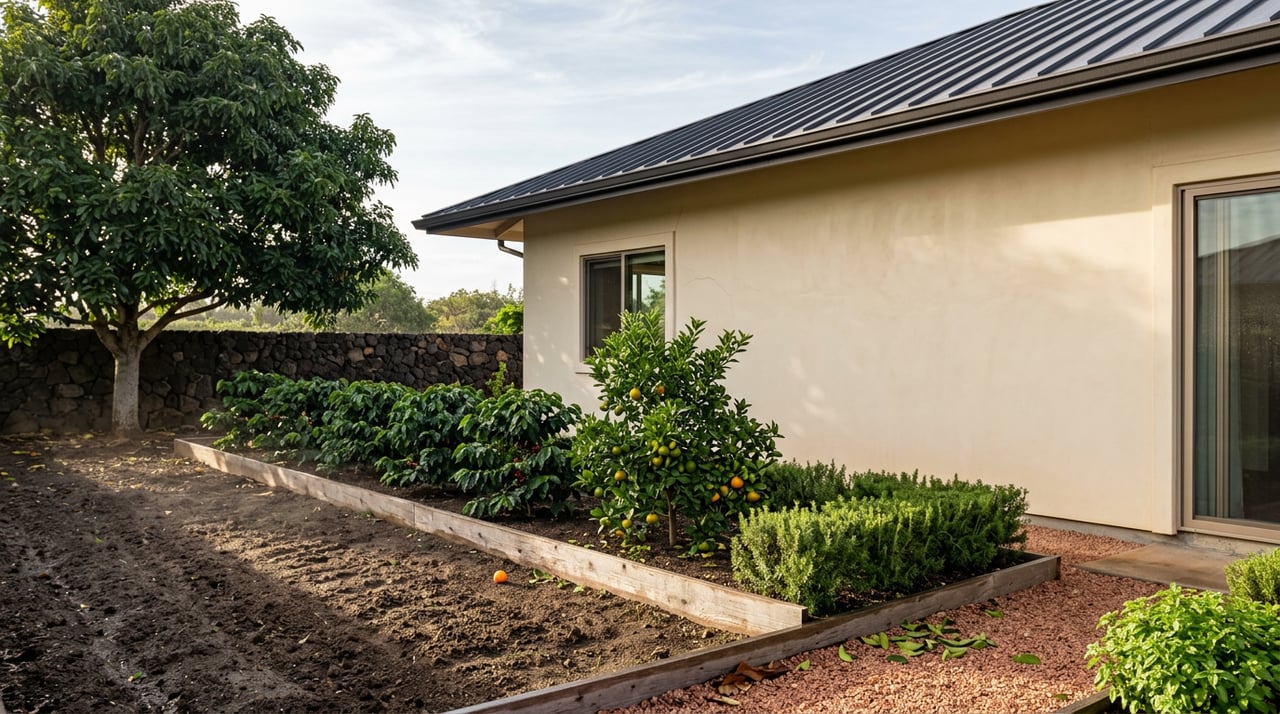
Every one of Hōkūlia's roughly 538 residential homesites carries an agricultural easement. The community's own materials describe it warmly: grow fruit, herbs, coffee, build a farm-to-table routine on your own acreage. That description is accurate. It is also incomplete for anyone about to close on a Phase 1 lot. The easement recorded against your title is the exact category of instrument the county council was talking about. Whether it becomes a real property tax advantage or a piece of paperwork nobody files depends entirely on what you do with it, and how soon.
The Non-Dedicated Path Closes This Month
Hawai'i County introduced its three current agricultural tax programs in 2023, a low-barrier CFS program, a 3-Year Dedicated program, and a 10-Year Dedicated program, each trading a longer commitment for a bigger reduction in assessed value. Before those existed, many landowners simply carried a "non-dedicated" agricultural use assessment, a lighter designation that required proof of use but no long-term filing.
That path is going away. The county council's vote this January confirmed the non-dedicated program ends in September 2026, part of the broader push to keep tax breaks tied to land that is actually producing something. The same council action included relief language for owners already enrolled: if you currently hold an agricultural assessment, you do not need to act. If you previously let a dedication lapse, you will need to reapply through the county's Real Property Tax Division.
The buyer this affects most is the one who does not yet have any agricultural filing on a Hōkūlia lot, which describes most people closing on vacant land right now. There is no informal default to drift into anymore. If you want the county to treat any part of your easement acreage as agricultural, you are choosing one of three defined programs from day one, not inheriting a loose arrangement from a prior owner.
What Actually Counts as Active Agriculture
The county's threshold for qualifying is lower than a working farm, but it is a real bar, and it is higher than a few fruit trees near the driveway. To file under any of Hawai'i County's dedicated programs, an owner generally needs:
- A short farm plan listing the crops or activity on the property
- A valid State of Hawai'i general excise tax license for agricultural purposes
- At least $2,000 in gross agricultural income, or documented participation in a community-based food-sharing program
- Proof of that income through an IRS Schedule F or a State G-49 form
- A filing submitted to the county by the annual September 1 deadline
None of this is exotic. The Kona Coffee Farmers Association publishes a plain walkthrough of the same county form, aimed at growers who already treat this as an annual task. What changes for a Hōkūlia buyer is that this list is no longer optional background information about a program you might someday join. It is the specific checklist standing between the easement as a lifestyle amenity and the easement as a line item on your tax bill.
The Homesite Carve-Out Math
Hawai'i County's dedicated agricultural application caps the homesite area excluded from the dedication at 0.25 acres per dwelling. Everything beyond that quarter acre on a dedicated parcel is expected to be in active use if the owner wants the reduced assessment on it.
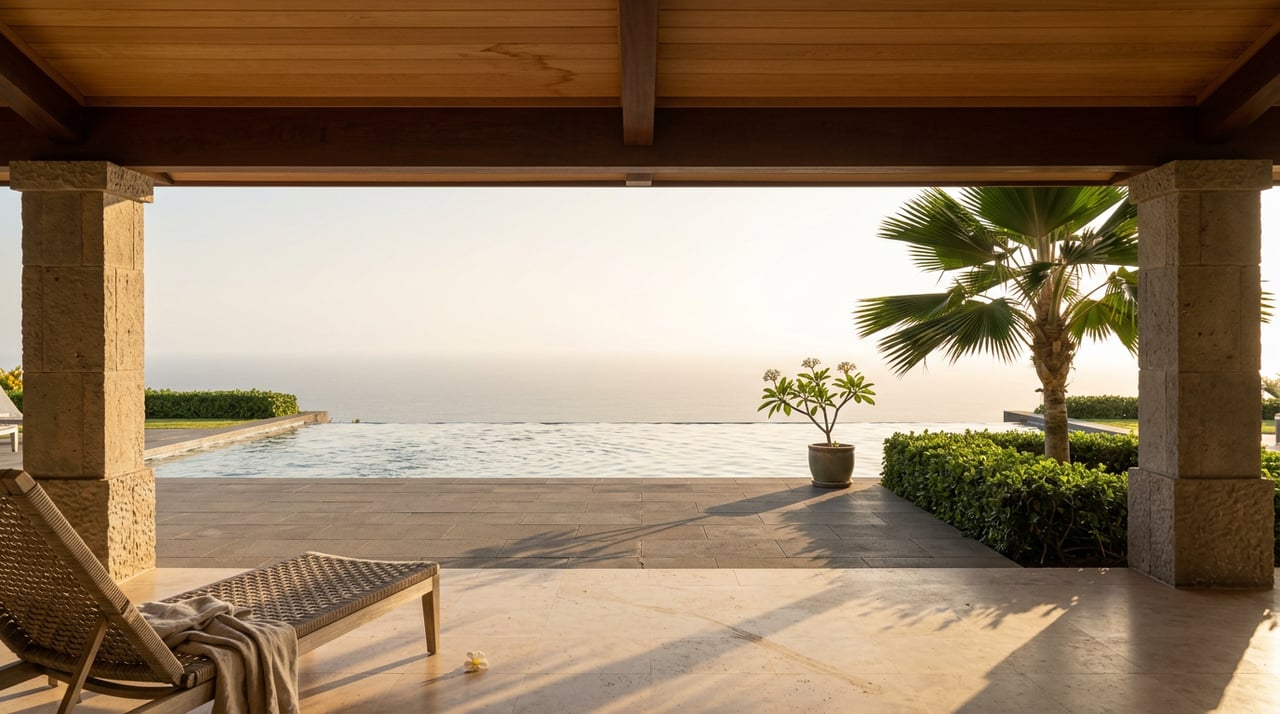
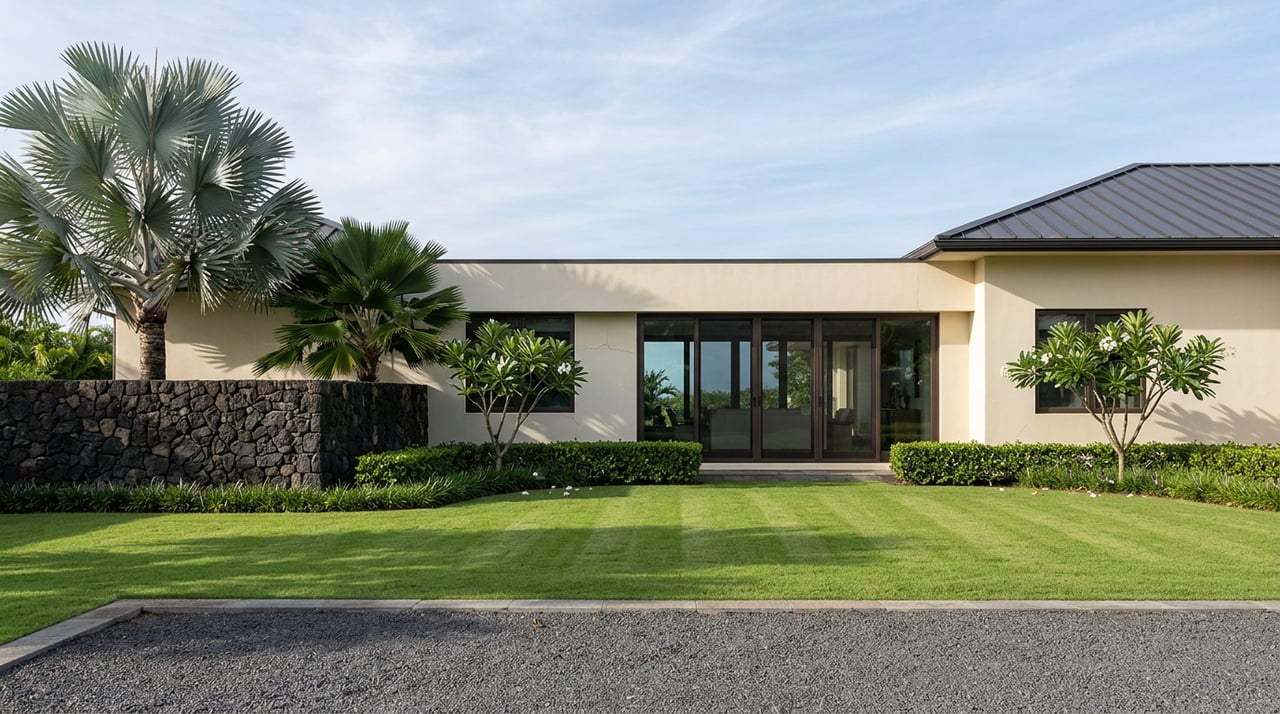
Recent Phase 1 listings have ranged from roughly an acre and a half up past four acres. Run that math and the gap becomes clear. A quarter acre around the house covers the driveway, the pool deck, and a kitchen garden. It does not cover the rest of a one, two, or four-acre lot. The county's rule was written with working farms in mind, not ornamental landscaping, which means an owner who wants the tax benefit on the full easement needs the full easement in some form of documented production, not a symbolic corner of it.
This is also why the easement's actual footprint matters more than the fact of its existence. Hōkūlia discloses that every lot carries one. It does not follow that every easement covers identical acreage or sits in the same location on the parcel. Before closing, ask for the recorded metes and bounds of the easement on your specific lot, not just confirmation that one exists.
Why the Community Built a Workaround
Hōkūlia's own lifestyle page states plainly that owners can grow, harvest, and market their bounty with help from the Hōkūlia Community Association. That support exists because the community has always had a mix of hands-on residents and owners who bought for the view and the golf, not the farming. The association's role in cultivating and harvesting on an owner's behalf is the practical answer to a real gap between who buys these lots and who wants to run a small farm personally.
Some owners route their production through Adaptations, a Hawai'i Island CSA that delivers fresh produce weekly to more than 600 households, according to Hōkūlia's sales team in a profile published by Aloha State Daily. A CSA relationship like that lines up conceptually with the county's alternative qualifying path, since the dedicated programs accept documented participation in a community-based food-sharing arrangement in place of the $2,000 income threshold. Whether a specific CSA partnership satisfies that test for a specific parcel is a question for a tax professional and the county's Real Property Tax Division, not a blog post, but the option is worth raising with your team before you assume the only path to qualifying is running your own farm stand.
Before You Sign: Four Questions Worth Asking
That same Aloha State Daily profile noted that Hōkūlia recorded 15 sales in the twelve months before its July 2025 publication, 12 of them vacant lots, with roughly 30 homes completed and another 26 under construction at the time. Most current transactions here are land purchases with a home still to come, which means the agricultural filing decision usually lands before a single wall goes up. Before you close on a Phase 1 lot, it is worth asking:
- Is there an existing farm plan or agricultural dedication already filed for this specific lot
- What is the recorded acreage and location of the easement, not just confirmation that one exists
- Do you intend to file under one of the county's three current programs, or treat the ag component as amenity value without pursuing the tax assessment
- If you are building, does your construction timeline allow a working farm plan to be in place before a September filing deadline
None of these questions slow down a purchase. They just move a conversation that otherwise happens at tax time into the conversation that happens at the closing table, where it is far easier to answer.
The Easement Is Both Things at Once
The Kona Coast setting that makes fruit and coffee grow easily on a Hōkūlia lot has not changed. Neither has the appeal of stepping into your own yard for something you planted yourself. What changed is the county's patience for agricultural tax status that exists on paper and nowhere else. A buyer who treats the easement as a documented obligation from the start gets to enjoy the citrus and the community farm support without an unpleasant surprise showing up in a future assessment notice.
If you are evaluating a specific Phase 1 homesite and want the recorded easement details, current dedication status, or lot-specific acreage before you write an offer, the Hōkūlia sales team can pull that documentation directly. View Properties to see what is currently available in Phase 1.