How do you know winter has arrived on the Kona Coast when the trade winds still feel like July and the only visible change is the angle of the afternoon light? Ask anyone who has spent a few seasons on this shoreline and they will tell you the same thing: you don't check a calendar. You check the water, and not even your own water first.
The first confirmed humpback whale of last season did not show up off Kealakekua or Keauhou. It showed up off Kauaʻi, spotted by Holoholo Charters on October 14, more than three thousand miles into a migration that started in Alaska. The Kona coast's own first sighting, a juvenile spotted on October 30, came more than two weeks later, according to Kona Snorkel Trips. That gap is not a fluke of one season. It's the shape of the migration itself, arriving in waves across the island chain rather than all at once, which means the earliest real signal that the season has started is rarely local. It's a report from somewhere else in the state, weeks before anyone here sees a spout.
That matters if you live along a west-facing shoreline and want to know when to start actually paying attention, rather than waiting for a headline sighting on your own stretch of coast.
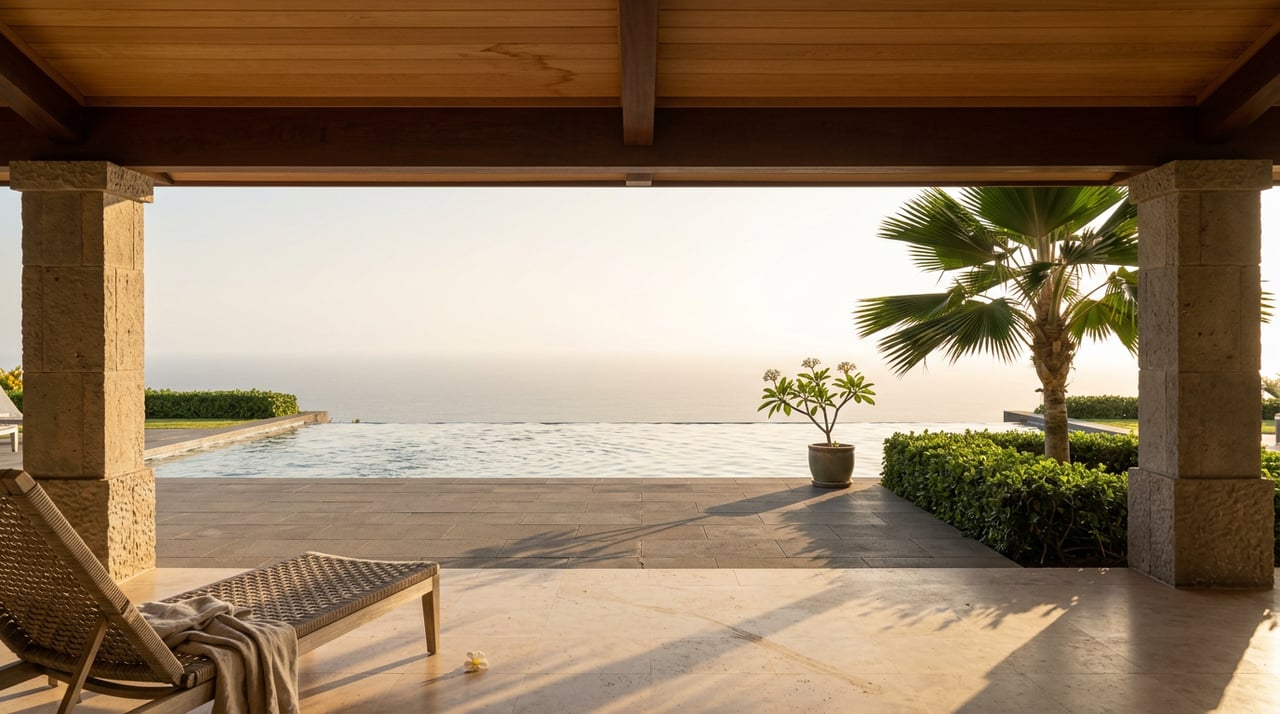
What the season actually looks like from a lanai
Most whale season guides are written for someone booking a two-hour boat charter out of Honokōhau or Kawaihae harbor. That's useful information if you're a visitor planning a single outing. It's the wrong lens if you already live here and the ocean is simply part of your afternoon.
The honest comparison, and the one nobody selling boat tickets tends to lead with, is this: during peak months, shore-based counts on the Kona coast typically run three to six whale sightings every fifteen minutes, while a boat working a prime spot in the same window can see fifteen to twenty, according to Kona Snorkel Trips. A boat gets you closer and more often. But shore viewing on this coast isn't a consolation prize either. It's roughly a fifth to a third of the boat rate, for the cost of walking to the water, and you can do it every day the season runs rather than on the one afternoon you booked.
The Hawaiian Islands Humpback Whale National Marine Sanctuary puts the season's peak density at January through March, with sightings building through November and December and tapering through April. Big Island shore viewing concentrates along the coast south of Keauhou, the same general stretch that runs down through Kealakekua and toward Honaunau, according to Hawaii Guide's 2026 season page. If your property sits along that corridor, you are not watching from the edge of the action. You're inside it.
Here's roughly how the season tends to build and fade, based on how local operators track it:
| Period | What to expect |
|---|---|
| Mid-October to November | Early arrivals, scattered and easy to miss. First confirmed sightings often come from Kauaʻi or Maui before the Kona coast |
| December | Sightings pick up noticeably along the west side |
| January to early March | Peak density. Shore counts average several whales per fifteen minutes on a good day |
| Late March to April | Mothers and calves linger after most adults have started north |
| May onward | Humpbacks thin out; pelagic species take over the same waters |
The honest comparison to Maui, and why it doesn't matter as much as you'd think
If you've spent time on Maui during whale season, the comparison is worth making plainly rather than glossing over. The ʻAuʻau Channel between Maui, Molokaʻi, and Lānaʻi is the primary calving and nursing ground for the species, prized for its shallow, sheltered water, and Hawaiʻi Island simply doesn't match that concentration. Big Island sightings run lighter than Maui's, but the same stretch of coast that gets fewer humpbacks in winter gets something Maui's channel doesn't offer to the same degree: year-round marine wildlife, according to Hawaii.com's whale watching guide.
That's not a consolation either. It's a different kind of calendar. Local operators running boats out of Honokōhau describe the shift plainly in their own season reports: December through March belongs to humpbacks, and April through November belongs to short-finned pilot whales, spinner dolphins, and the occasional whale shark, all from the same waters, according to Hawaiian Adventures Kona. Their own weekly whale report through the spring of this year tracked that handoff in real time, with entries in late March still noting "the final stretch of the humpback season" and entries by late April already logging melon-headed whales and pods of pilot whales as the dominant sighting. The show doesn't end in April. The cast changes.
Snorkel and dive boats working the Captain Cook Monument at Kealakekua Bay and the Place of Refuge at Honaunau Bay already build this into their winter routes, cruising out to deeper water after the two bay stops specifically to look for humpbacks before heading back to Keauhou. That's the same water Hōkūlia's own three miles of west-facing shoreline looks out on, which is part of why the community's 140-acre shoreline historic park and canoe access exist as everyday amenities rather than seasonal ones. The whales pass this water whether or not anyone books a tour to see them.
What the rules actually require if you're on the water
If you paddle a canoe or take a kayak out during the season, the same federal protections that apply to tour boats apply to you. Humpback whales fall under the Marine Mammal Protection Act, and the practical rule is simple:
- Stay at least 100 yards away by boat, kayak, paddleboard, or swimming, regardless of how the whale behaves
- If a whale approaches you on its own, hold your position rather than closing the distance
- Drones are held to the same 100-yard standard as vessels
- Fines for violations start in the thousands of dollars, so this isn't a guideline people treat casually
None of this requires special equipment or a permit to follow. It just means treating the animals passing your shoreline as visitors on their own schedule, which is generally how anyone who has lived here a while already thinks about them.
Watching for the season to turn
If you want the earliest read on when this year's season is building, the move isn't to watch your own coastline first. It's to watch the reports coming out of Kauaʻi and Maui in October, the way the migration announced itself last year weeks before anyone here saw a spout. By the time the first Kona sighting gets reported, the pattern from previous seasons suggests you already had two or three weeks of notice from elsewhere in the chain.
Once it does arrive, the water off South Kona doesn't need a boat, a booking, or a special outing to show you something. It just needs you to be looking in the right direction, on the right stretch of coast, during the months when this particular migration decides to swing wide and stay a while.
If you're looking to learn more about the community along this stretch of coastline, Hōkūlia is a good place to start.