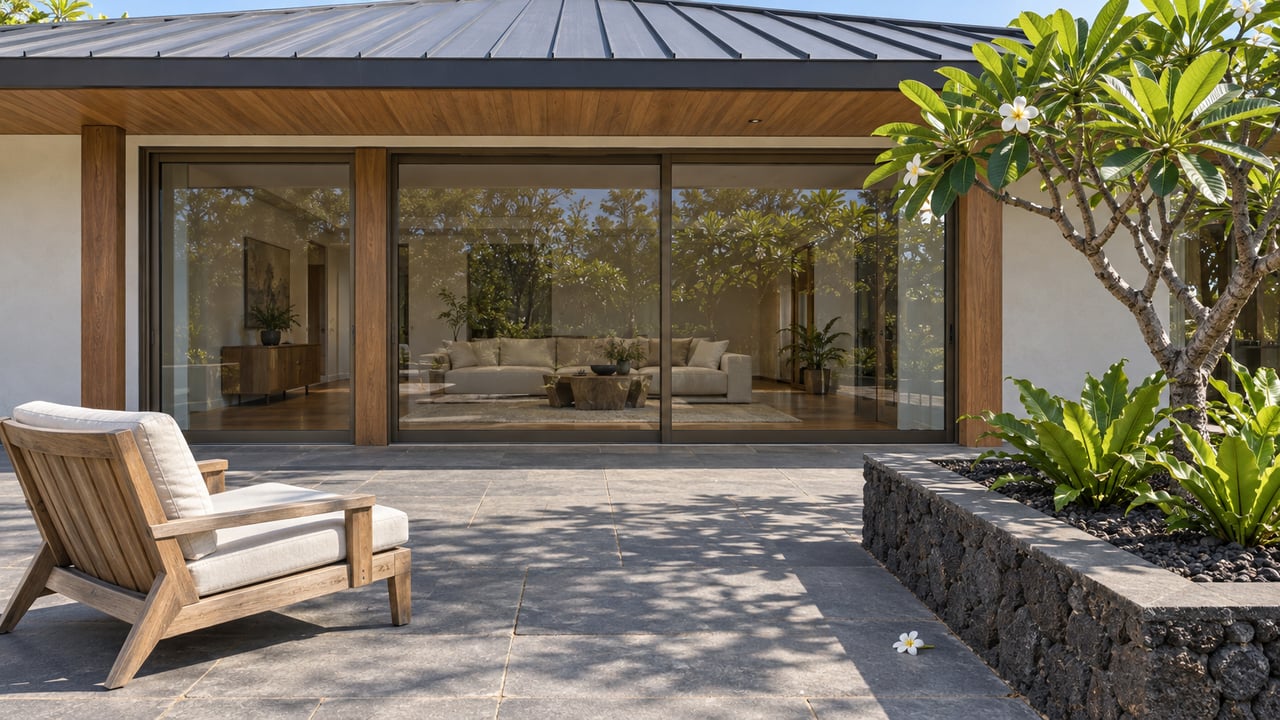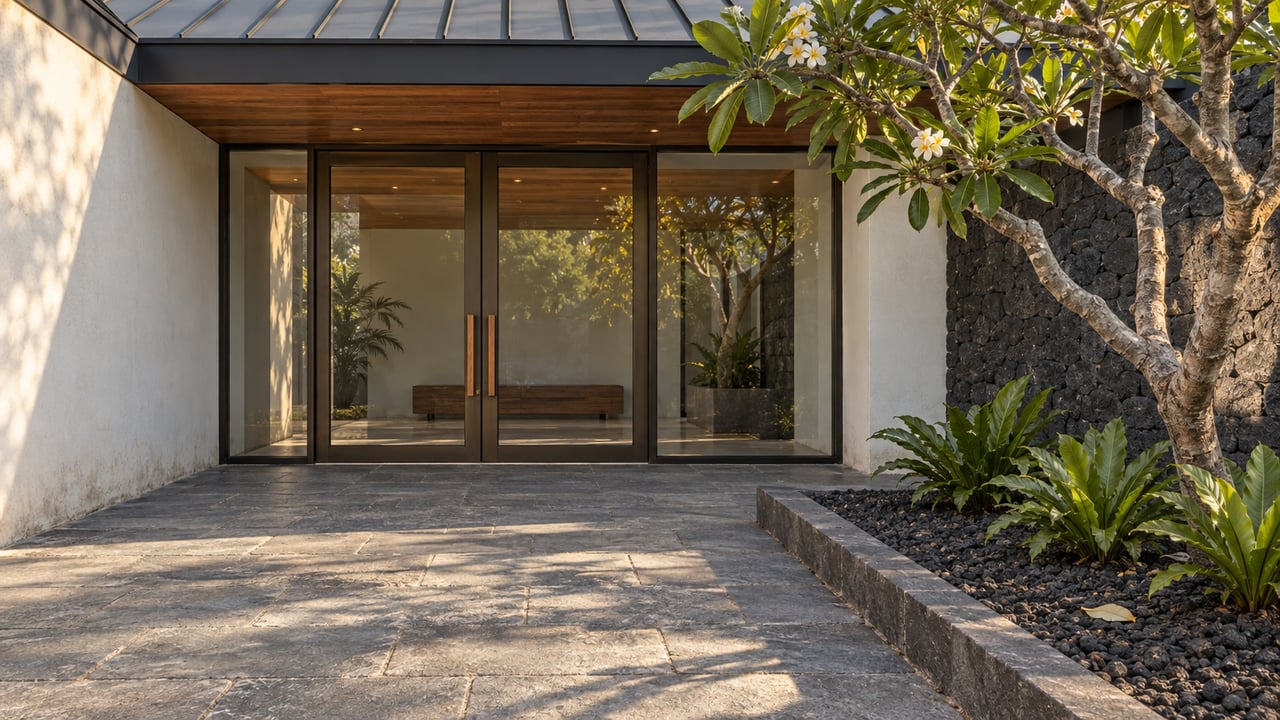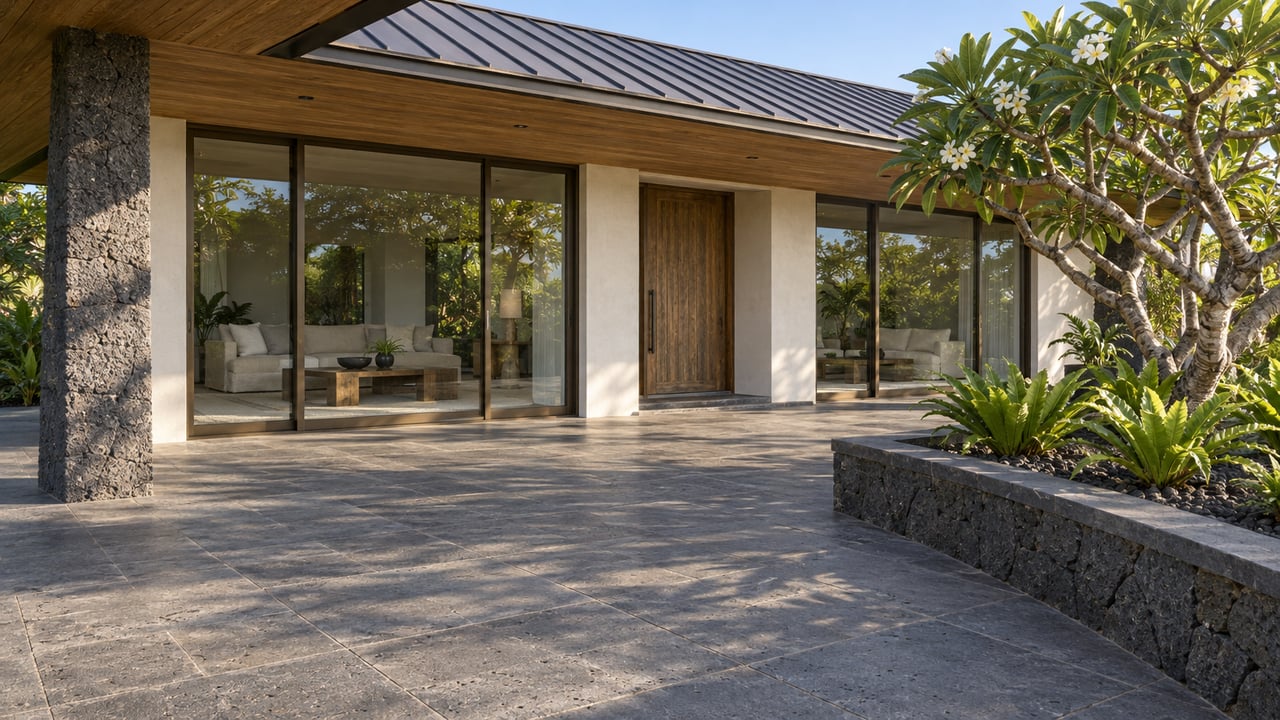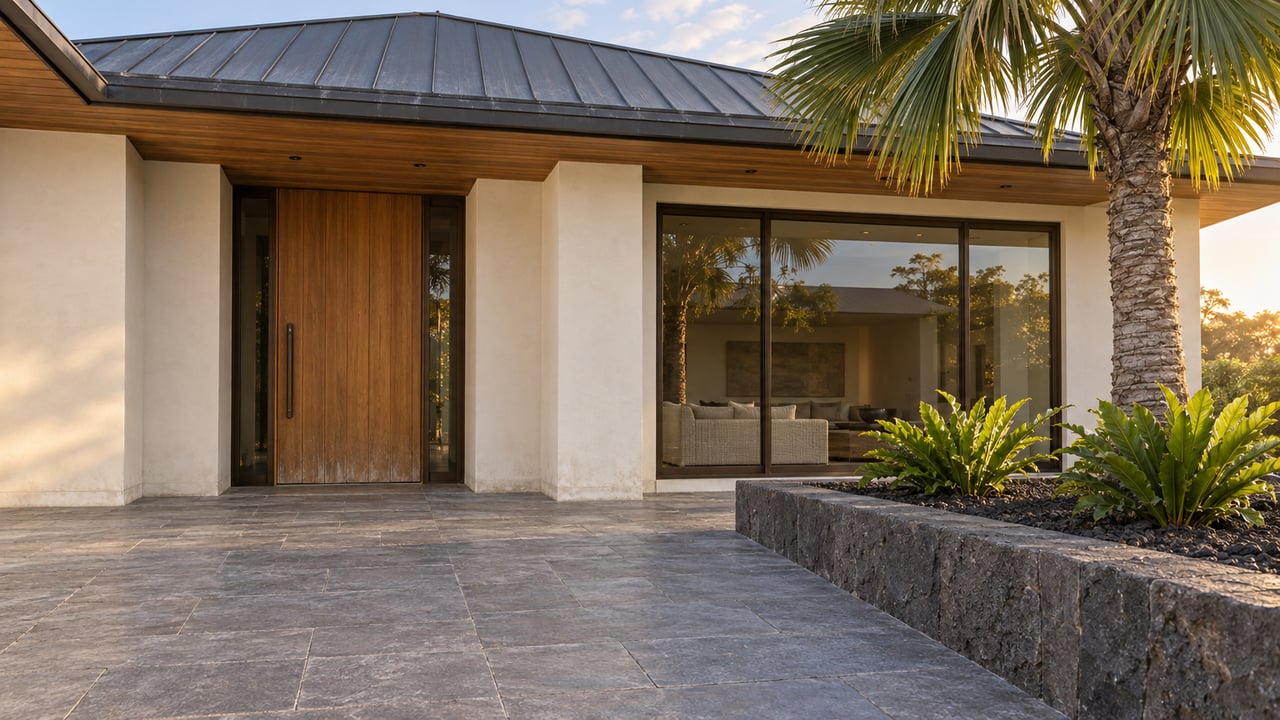
A Hōkūlia Phase 1 home bought as a second home and later lived in full time does not change its tax class on its own. The new owner has to file a homeowner claim. Hawaiʻi County's 2026 assessment insert says a claim received by December 31, 2026 takes effect July 1, 2027. The County's new-owner guidance also says a new purchaser has to file a new claim.
That timing matters more this year than it used to. For fiscal year 2026-27, the County split the residential class into three bands. On a finished estate valued in the millions, the gap between the second-home rate and the owner-occupant rate is now wide enough to compare with a monthly club statement.
What the County changed in 2026
On March 4, 2026, the Hawaiʻi County Council passed Bill 128 with five ayes, as Big Island Now reported. Council Chair Holeka Inaba voted no, and three members were absent. County records list Council members Jennifer Kagiwada and James Hustace as the bill's introducers. In the same report, Kagiwada called the new tier a more "kamaʻāina-centered" tax strategy covering vacant properties, vacation homes, and second, third, or fourth homes.
The rates came in May. Resolution 574-26 passed 8-0 on May 21, 2026, according to Big Island Now's coverage of the vote. The County's official rate table for July 1, 2026 through June 30, 2027 lists these rates per $1,000 of net taxable value:
- Residential, first $2 million: $11.10
- Residential, the portion from $2 million to $4 million: $14.50
- Residential, the portion at $4 million and above: $17.00
- Long-Term Rental: $7.75
- Homeowner: $5.75
Big Island Now reported that the top band, the portion above $2 million, rose from $13.60 the year before, and that the $17 tier is new. The Homeowner rate went down by 20 cents, from $5.95. The County's tax burden moved away from owner-occupants and toward high-value second homes in the same vote.
Taxed by the slice
Bill 128 applies each rate only to the value inside its band. In the text of Bill 128, the tier one rate applies to net taxable value under $2,000,000, the tier two rate to value from $2,000,000 to $4,000,000, and the tier three rate to value above $4,000,000. A home valued at $4.1 million pays the $17 rate on $100,000 of value, not on the whole $4.1 million. Big Island Now described the same structure, with the first $2 million taxed at the same $11.10 as last year.
Here is how the math works on three net taxable values in the range of Phase 1's finished estates. The figures are before any exemptions:
| Net taxable value | Second home, tiered Residential | Same value at the Homeowner rate |
|---|---|---|
| $3,000,000 | $36,700 | $17,250 |
| $5,000,000 | $68,200 | $28,750 |
| $8,000,000 | $119,200 | $46,000 |
At $5 million, the second-home bill is $22,200 on the first $2 million, $29,000 on the next $2 million, and $17,000 on the last $1 million. Each added dollar of value costs more than the one before it, so the gap between the two columns gets wider as the price goes up. For estate listings above $10 million, most of the assessed value sits in the $17 band.
The tiers also reach land. The ordinance defines tier two and tier three property to include vacant land valued in those bands and classified as residential based on the land's highest and best use. A homesite with a net taxable value under $2 million stays in tier one. A large parcel held for a future custom build is covered once its assessed value crosses a threshold.
Two exits, and why only one fits a Hōkūlia estate
The County created two ways out of the full residential rate. Both turn on how a home is used, and one of them also carries a value cap.
The first is the Long-Term Rental class at $7.75, created by Bill 104 in 2024. Kagiwada and Council member Michelle Galimba sponsored it to encourage owners of vacant homes to add housing for residents. The County's current Long-Term Rental application requires every dwelling unit to be rented for at least six consecutive months to the same tenants. It also requires a new application every year by December 31. The application rules out residential-class property with a net taxable value of $2 million or more, and any short-term rental activity disqualifies the whole parcel. Civil Beat reported that Galimba told the council the County had already received more than 800 applications for the class. Those applicants are second-home owners under $2 million. A Phase 1 estate valued above that line cannot use this route at any price.
The second exit is occupancy. The Homeowner class carries the $5.75 rate, and according to the County it is a separate benefit from the homeowner exemption. Filing for the exemption does not by itself put a property in the Homeowner class. The County's Homeowner Program leaflet lists the eligibility rules: the owner must own and occupy the property as a principal home for more than 200 calendar days, must not claim a principal home or home exemption elsewhere, and must meet Hawaiʻi income tax return or waiver conditions. County guidance bars short-term rentals of less than 180 days from the class. The 2026 insert says a qualifying owner can keep the class with a long-term rental of six months or more.
Kagiwada described what the County is trying to do in the Civil Beat account of the rate vote:
"It would be a mistake not to use our real property taxation authority to incentivize the behaviors we want to see and disincentivize those that we don't."
For a Phase 1 estate, that leaves one behavior that changes the bill. The more an owner treats the house as a part-time property, the more of its value is taxed at the top rates. An owner who makes it their principal home moves the whole value to $5.75.
The closing-day version of the same rule
The state's conveyance tax, charged on the sale itself, uses the same test, but its math works differently. The Department of Taxation's Form P-64A instructions, revised in 2025, set higher rates for a condominium or single-family residence when the buyer is not eligible for a county homeowner exemption.
| Price bracket | Buyer not eligible for homeowner exemption, per $100 | Other properties, per $100 |
|---|---|---|
| $2M to under $4M | $0.60 | $0.50 |
| $4M to under $6M | $0.85 | $0.70 |
| $6M to under $10M | $1.10 | $0.90 |
| $10M and above | $1.25 | $1.00 |
The instructions calculate the tax by multiplying the full consideration by the rate for its bracket. That is a cliff, not a slice. At the higher schedule, a $3,999,999 sale owes about $24,000. A $4,000,000 sale owes $34,000. One more dollar of price adds about $10,000 in tax. A $5 million estate owes $42,500 at the higher schedule and $35,000 at the lower one. A state bill to restructure the conveyance tax, SB3028, shows no Act and a placeholder effective date of July 1, 3000 on the Legislature's status page. The schedule above is the one in force.
So the same question, whether the owner will live in the home, affects both what a Phase 1 estate costs to close and what it costs to hold every year after.
Where the money goes, and the dates on this year's calendar
Civil Beat connected the new rates to the County's wastewater upgrades required by the U.S. Environmental Protection Agency and to a projected $15 million shortfall. Big Island Now reported Inaba's estimate that the new tier three and long-term rental rates would bring in about $17 million. The text of Bill 128 requires at least $9 million a year of the revenue from tiers two and three to go to County housing and homelessness programs. That requirement runs through June 30, 2027 unless an ordinance extends it.
For anyone holding or buying a Phase 1 home this season, the County has published these dates:
- December 14, 2026. The first FY2026-27 installment was due August 20. After Tropical Storm Lala, the Real Property Tax Office says it can be paid through December 14 with no penalty or interest under the Mayor's Second Supplemental Emergency Proclamation. For a second home above $4 million, this is the first bill to include the $17 tier.
- December 31, 2026. Homeowner claims received by this date take effect July 1, 2027. Long-Term Rental applications for the next tax year are also due by December 31.
- January 1, 2027. The County assesses values as of January 1 each year, and notices go out by March 15. This year's appeal deadline was April 9, 2026.
This is general information, not legal, tax, or financial advice. Please confirm how these rules apply to your property with a qualified tax professional or the County's Real Property Tax Office.
Short FAQ
Does the $17 rate apply to the whole value of a $4.5 million home? No. Under Bill 128, it applies only to the net taxable value above $4,000,000. The first $2 million is taxed at $11.10 and the next $2 million at $14.50.
Does a seller's Homeowner status carry over to the buyer? No. The County's Homeowner Program leaflet says a new purchaser must file a new claim, and ownership has to be recorded by December 31 or June 30 to meet the filing cycle.
Have rates for fiscal year 2027-28 been set? Not yet. The County's posted table covers July 1, 2026 through June 30, 2027. Rates are set by the County Council based on the budget, not by the Real Property Tax Office.
If you are weighing a Phase 1 residence as a seasonal home or as a principal one, the Hōkūlia sales team can walk you through how each plan affects your closing costs and your yearly holding costs, so you can decide on the use before you choose the home.